Film & Digital Media
Storytelling and Technology
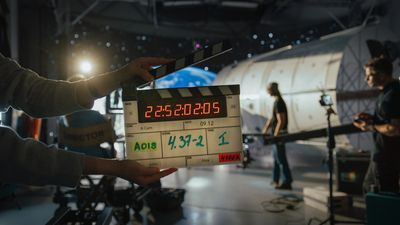
Film and Digital Media is the dominant storytelling medium of the 21st century. This discipline sits at the crucial intersection of artistic vision and complex technology, requiring mastery in narrative structure, visual design, and software proficiency. It fosters qualities essential for future leaders: technological fluency, collaborative production, rapid problem solving, and cultural influence.
The study and practice of Film and Digital Media equip students with an unparalleled ability to conceptualize, produce, and distribute content, making them immediately valuable in the global creative and corporate economies.
A History of Visual Communication
The evolution of Film and Digital Media demonstrates how training in this field cultivates skills that are foundational to modern communication and commerce. We focus on this history to showcase the enduring value of the technical and narrative mastery we fund.
I. Roots in Narrative and Visual Design Before moving images, visual artists and writers established the foundation for cinematic storytelling.
● Visual Literacy: Training starts with the core elements of design, composition, and lighting, borrowed from photography and the visual arts. This instills a crucial understanding of visual literacy (how images communicate) essential for all modern media.
● Narrative Structure: Cinematic structure owes its rules to theater and creative writing. Students must master screenwriting and editing to effectively build, control, and manipulate time, pace, and dramatic tension for an audience.
II. The Evolution of Production and Scale The development of the film industry created the blueprint for large-scale, multidisciplinary project management.
● Collaborative Systems: Film and digital media production is inherently collaborative, requiring the seamless integration of technical crews (camera, sound, lighting) and creative departments (direction, editing, design). This teaches sophisticated team orchestration, departmental management, and deadline accountability.
● Technological Innovation: The history of film is a history of invention, from silent cinema cameras to modern digital post-production software. This study emphasizes the need for continuous technological adoption and engineering knowledge to remain competitive in a rapidly changing field.
III. Modern Digital Application and Global Reach Today's training is focused on the digital tools that define global content creation, distribution, and commercial media.
● Software Fluency: Mastery requires high proficiency in industry-standard software for editing, animation, sound design, and visual effects (VFX). This provides highly marketable skills in digital asset management and creative technology.
● Distribution Strategy: Students must understand how content is consumed across platforms, from streaming services to social media. This teaches crucial skills in audience targeting, data analysis, and market distribution strategy.
Why Investment in Film is Crucial
Achieving mastery in Film and Digital Media requires heavy investment in specialized equipment, including high-end cameras, computing hardware, and costly professional software licenses. The barrier to entry for quality education in this field is prohibitively expensive, which directly limits the diversity of voices entering the media landscape.
We support the advancement of students pursuing every area of this field, including directing, cinematography, editing, animation, and screenwriting.
Your investment helps talented young visionaries access the education they need to master their craft, lead with technical skill, and define the future of visual communication.

Join Us in Supporting Our Talented Youth
We greatly appreciate every donation and every dollar counts.By committing to monthly contributions, donors become part of a larger movement,
a group of people who make our mission possible every single day.
Thank You!